Winter can be a dark time for many, and as Spring approaches the need for colour to brighten our day is alluring. But at what cost?
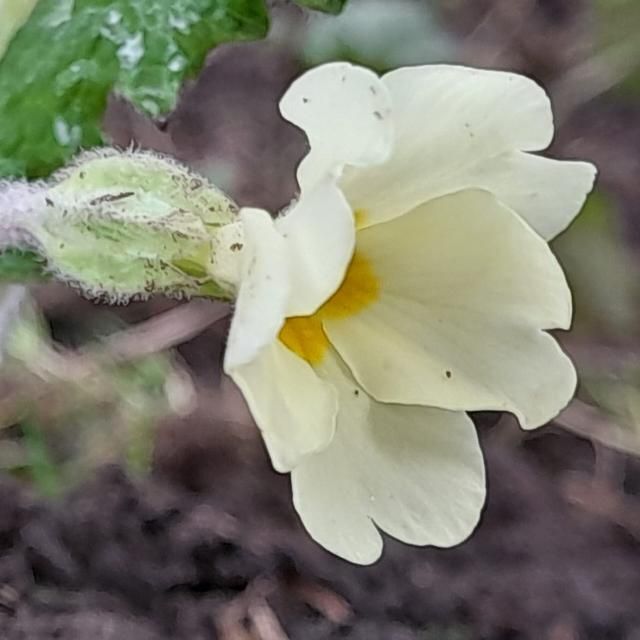
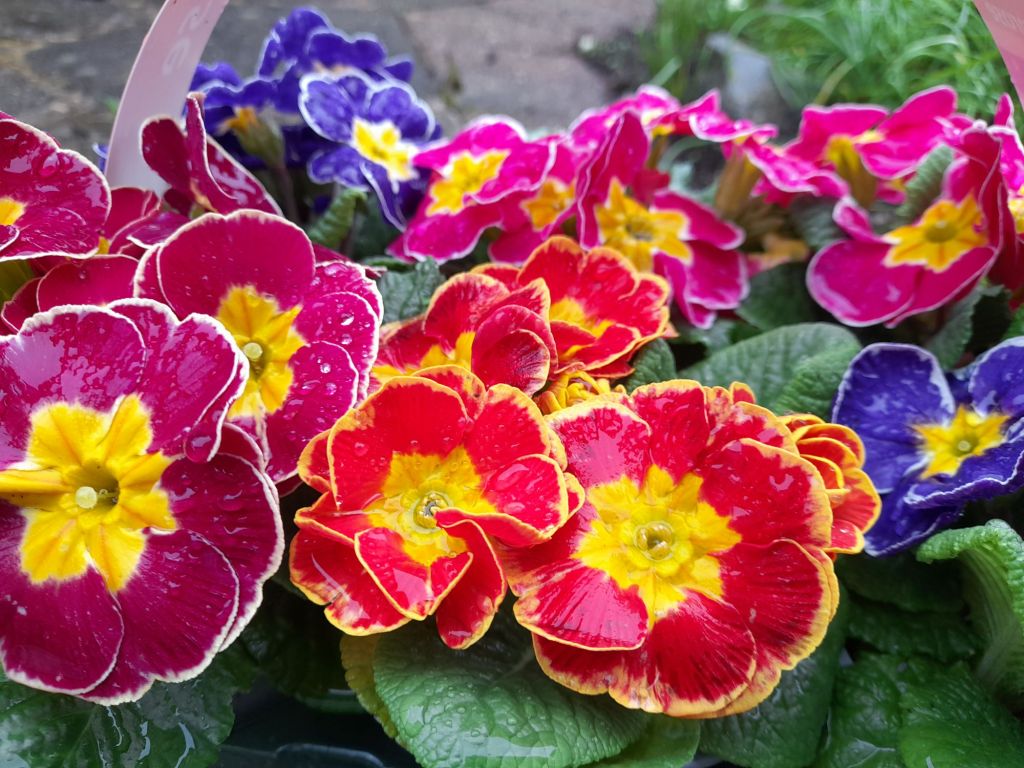
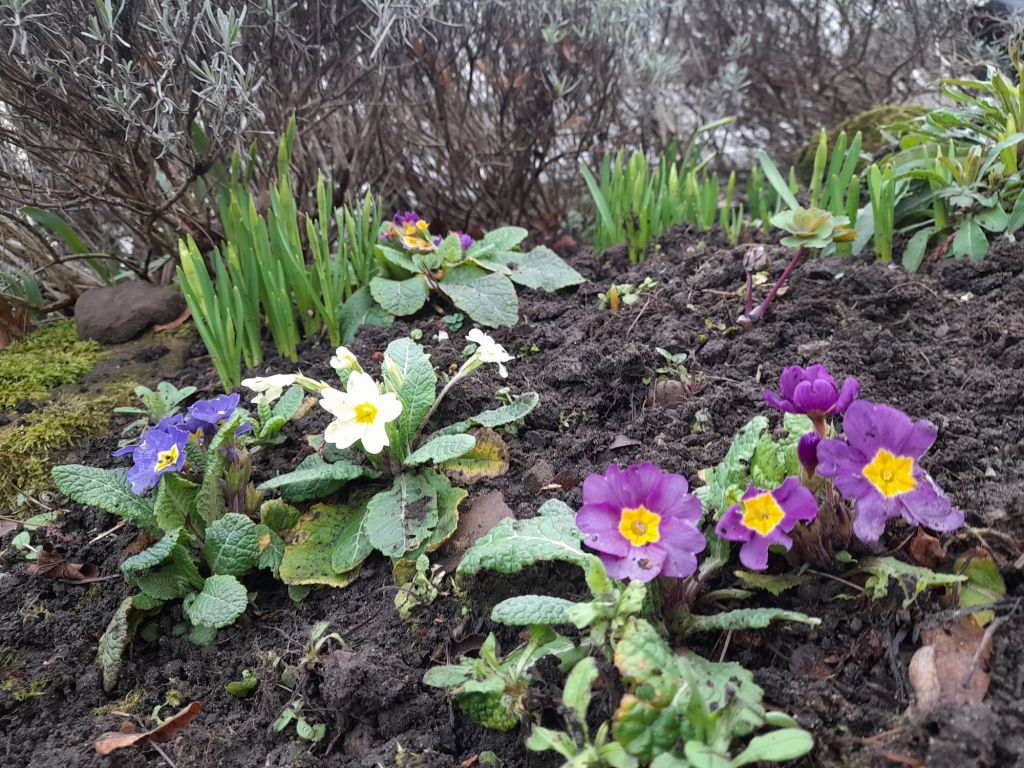
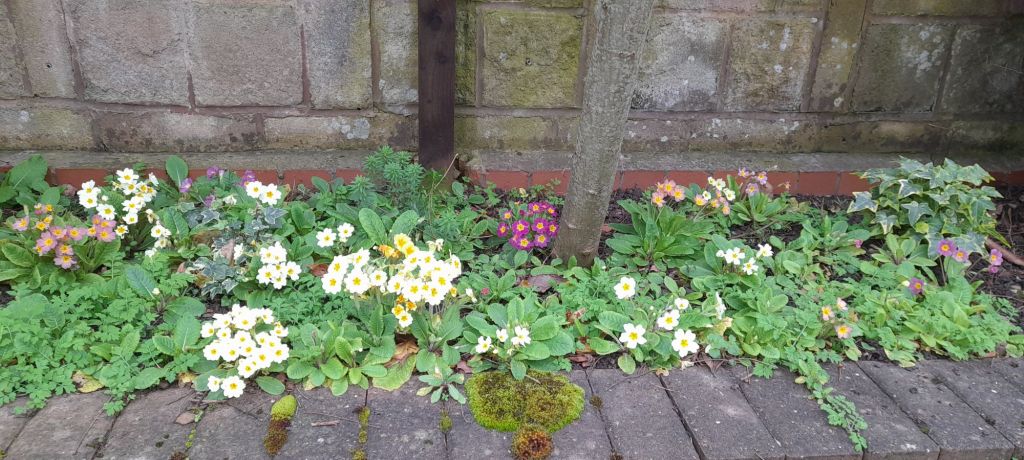
Bright and pretty coloured varieties, planted either in boxes, pots or the ground are cross pollinating with the native primrose and changing the future of the species.
Pollinators don’t discriminate between the flowers and can fly between sources of nectar unaware of the mischief they are causing.
But why is this happening and how can we help?
The Why.
Due to the reproductive method of the Primrose, the flower can not be pollinated with itself.
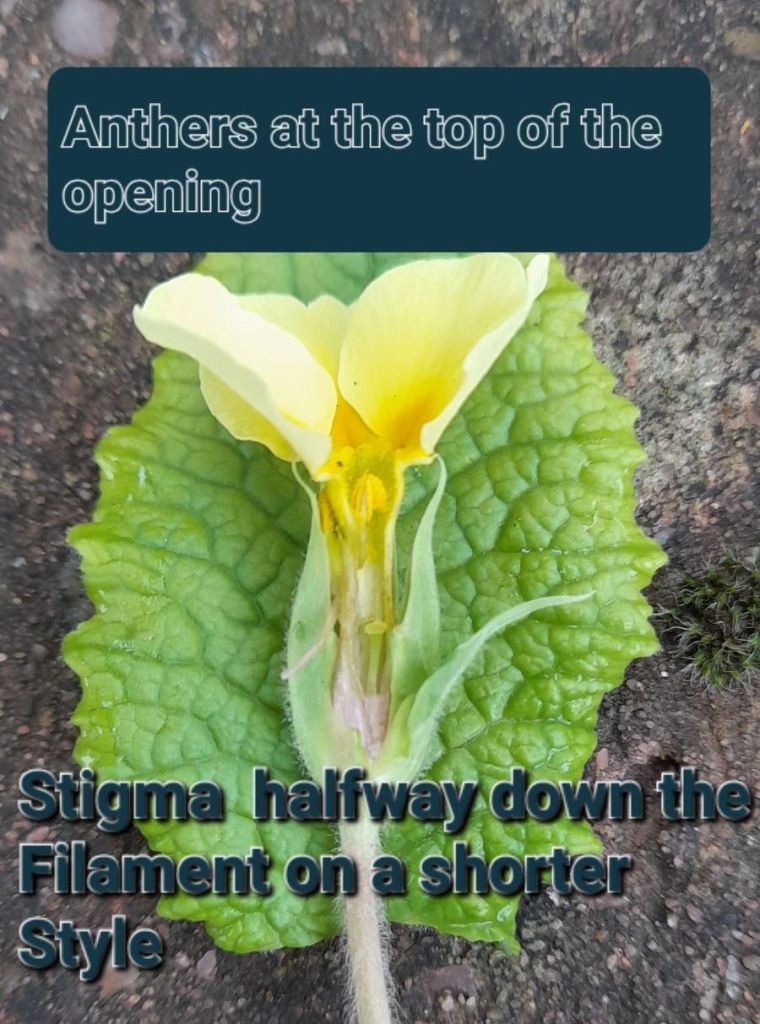
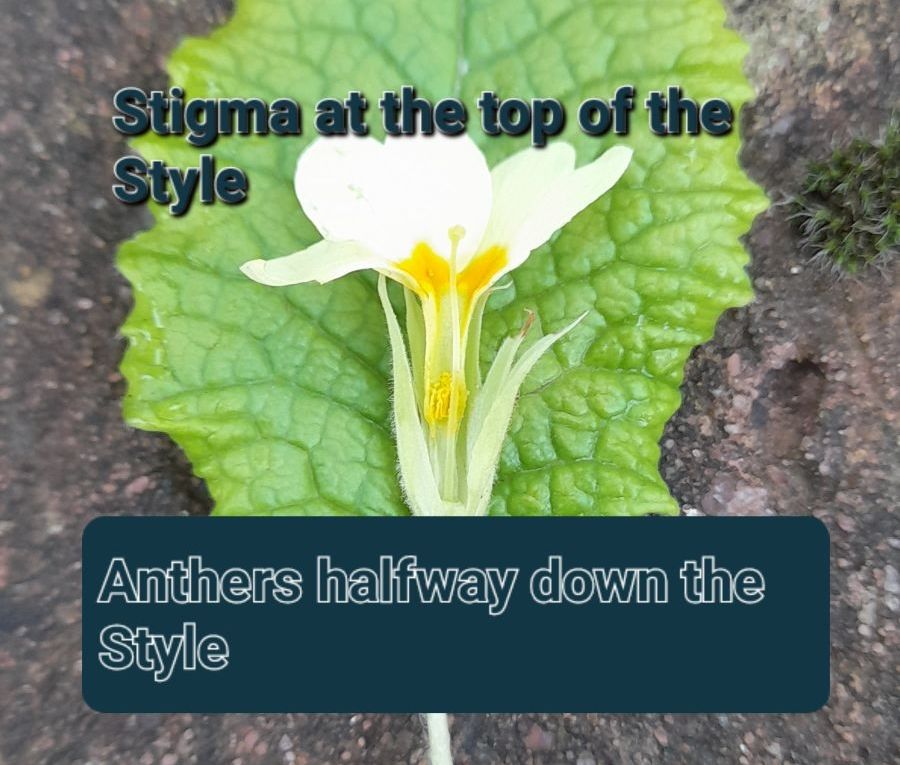
When an insect collects the nectar from the flower, it will probe with its sticky proboscis. If the pollen attaches itself halfway down, it is in an appropriate location to stick to the stigma on a flower with the alternative arrangements. The situation is then reversed if the pollen is attached high on a proboscis from tall anthers ready for a tall stigma on a different flower. Clever!
How can we help?
We can help in a number of ways.
• Don’t plant Coloured Primroses. Opt for an alternative species completely
• Only plant native primroses. These are not usually available at garden centres so a specialist supplier should be sourced.
•Grow your own native Primroses from seed from a legitimate source. It is illegal to collect seed from the wild or dig up wild plants.
•If you find coloured Primroses in your garden, remove them so you are denying them the opportunity to be visited by a pollinator.
Small steps and choices make a big difference. The Native Primrose is just one example.
Be a wildlife warrior and protect our Native Species before we lose them completely. Thank you.
 REDAVONS
Leave a comment